
A vehicle can look glossy in a photo and still be poorly detailed. That is why professional detailing standards explained in plain language matter so much. If you are trusting someone with your daily driver, family SUV, or high-end vehicle, you are not just paying for a clean car. You are paying for process, safety, consistency, and the confidence that your vehicle is being treated correctly.
For many customers, the hard part is knowing what separates a true professional detail from a quick wash-and-vacuum operation. The difference usually comes down to standards. Not flashy claims, not vague promises, but repeatable methods that protect the vehicle while delivering a noticeably better result.
What professional detailing standards actually mean
Professional standards in detailing are the systems, practices, and quality benchmarks that guide how a vehicle is inspected, cleaned, corrected, and protected. A professional detailer should not be guessing from one job to the next. There should be a defined process for evaluating the vehicle’s condition, choosing the right products and tools, and delivering results without creating avoidable damage.
That matters because detailing is not one task. It is a combination of paint care, interior surface treatment, contamination removal, stain management, polishing, and protection. Each part of the vehicle responds differently. Leather does not get treated like vinyl. Soft piano-black trim does not get handled like a durable rubber floor mat. A professional standard means the detailer knows those differences and works accordingly.
It also means the result should be consistent. One of the biggest signs of a serious detailing business is that quality does not depend on luck, mood, or who happened to touch the car that day. There is a method behind the outcome.
Professional detailing standards explained through process
The easiest way to understand standards is to look at the process itself. A professional job usually begins with inspection, not with spraying product everywhere. The vehicle should be assessed for paint condition, heavy contamination, interior wear, stains, sensitive materials, and customer goals. Someone preparing a vehicle for resale may need something different than an owner protecting a newer car for the long term.
From there, the wash process should be built around minimizing risk. Safe washing is not just about getting dirt off. It is about reducing the chance of adding scratches, marring, or cross-contamination. That includes clean tools, proper towel management, thoughtful chemical use, and a sequence that keeps grime from being dragged across the paint.
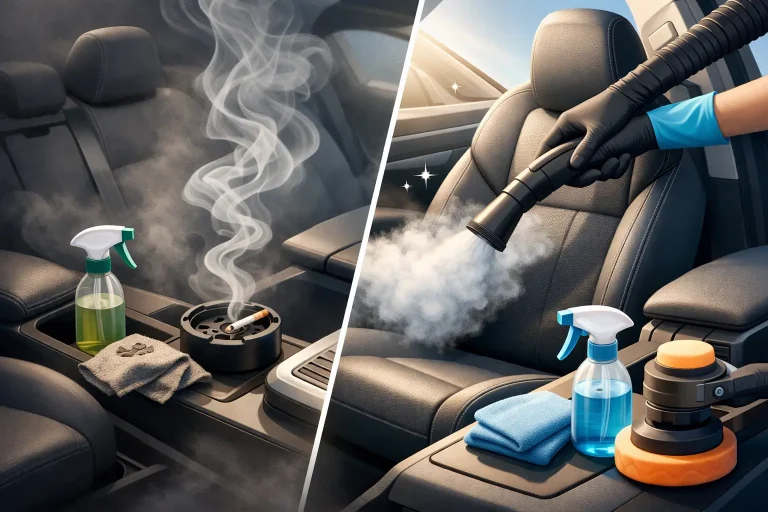
Interior work should follow the same logic. A professional detail is not a rushed wipe-down with one all-purpose product. It involves selecting the right cleaners for each surface, using controlled agitation where needed, extracting or treating stains based on material type, and leaving the interior clean without sticky residues or artificial shine.
When polishing or paint enhancement is part of the service, standards become even more important. Paint correction is not simply making a car shinier. It is a measured process of improving the finish while respecting clear coat thickness and overall paint health. Sometimes a one-step polish is the right choice. Sometimes deeper correction is justified. Sometimes the smart answer is to leave certain defects alone rather than chase perfection at the expense of the paint.
That is what professionalism looks like in practice. Not doing the most aggressive option, but doing the most appropriate one.
Why training and certification matter
Certification does not automatically make someone the best detailer in the room, but it does signal something valuable. It shows that the person has invested in formal education, safety knowledge, and industry-recognized techniques instead of relying only on trial and error.
For customers, this matters because vehicles have become more complex. Interior materials vary widely. Paint systems are not all the same. Newer finishes, trim pieces, screens, and coatings require informed handling. A certified, insured detailer is more likely to approach your vehicle with structure and accountability.
This is also where professional credibility stands out in a crowded market. Anyone can buy a buffer, post before-and-after photos, and call themselves a pro. Standards are harder to fake. They show up in how a detailer talks about prep, protection, limitations, maintenance, and expected outcomes. They also show up in honesty. A professional should be willing to explain what can be improved, what may remain visible, and what kind of upkeep is realistic after the service.
The quality markers customers should watch for
If you are comparing detailing providers, the cleanest website or the lowest price will not tell you much by itself. The better question is whether the business communicates a clear standard of care.
Look for specificity. A professional service should explain what is included, how long it usually takes, and what level of result you should expect. Vague promises like “full detail” can mean almost anything. Stronger providers describe their process, surface care, and protection methods in a way that helps you understand the value.
You should also look for transparency around condition and pricing. Heavily soiled interiors, pet hair, spills, embedded stains, and neglected paint often require more labor. A professional detailer should not pretend every vehicle fits the same package. That is not upselling by default. Often, it is simply honest estimating.
Communication is another major standard. Customers should know what is happening with their vehicle, how long the work will take, and whether any issues were found during inspection. For busy professionals and families, this matters as much as the final shine. Convenience has real value when it is backed by reliable execution.
Professional detailing standards explained for interiors and exteriors
Exterior detailing standards revolve around safe decontamination, defect awareness, proper drying, and appropriate protection. The finish should be clean to the touch, not just shiny from dressing. Wheels, tires, jambs, trim, and glass should all receive attention because a complete result comes from consistency across the vehicle, not just the hood and doors.
Interior standards are a little different. The goal is not to make every surface glossy or heavily scented. A well-detailed interior should feel clean, balanced, and comfortable. Controls, vents, cup holders, crevices, seats, carpets, and cargo areas should show deliberate care. If stain removal is attempted, expectations should be discussed upfront because some stains can be improved dramatically while others are permanent.
This is where experience matters. Professional detailers understand that “clean” is not one universal finish. Some customers want a near-factory appearance with no shine. Others want added protection on high-contact surfaces. The right standard is to match the treatment to the material and the customer’s goals, not to force the same finish on every vehicle.
Why standards affect long-term value
A proper detail is not only cosmetic. It can help preserve the condition of paint, trim, upholstery, and high-touch interior surfaces over time. Dirt, salt, body oils, spills, and environmental fallout all wear on a vehicle gradually. Professional care slows that process down.
That makes a real difference for people who lease, trade in, plan to sell later, or simply want to enjoy a cleaner, better-kept vehicle year-round. It is also why maintenance matters. Even the best detail will not stay perfect if the vehicle is immediately exposed to poor wash habits or ignored for months. A professional standard includes guidance on upkeep and realistic service intervals.
For many owners in New England, this is especially relevant. Seasonal grime, road salt, moisture, and changing temperatures put extra stress on both exterior and interior surfaces. A higher standard of detailing is not a luxury in that environment. It is practical protection.
What a premium detailing experience should feel like
Premium service is not about making detailing sound complicated. It is about making the customer experience easier while holding the work to a higher level. That can mean better scheduling, clear updates, accurate timelines, and a service model that respects how busy life gets.
At a company like SPS Auto Detailing, the standard is not just what happens to the vehicle. It is also how the customer is treated from booking through delivery. Professionalism should feel organized, reassuring, and transparent at every step.
And that is the real point behind standards. They exist to protect the vehicle, yes, but they also protect the customer from uncertainty. When a detailer follows professional standards, you should know what you are getting, why it is being done that way, and what kind of result is realistic for your car.
If you are choosing who should care for your vehicle, look past the foam, the shine, and the social media clips. The better question is simple: does this business have a clear standard, and do they follow it every time? That answer usually tells you more than any before-and-after photo ever will.