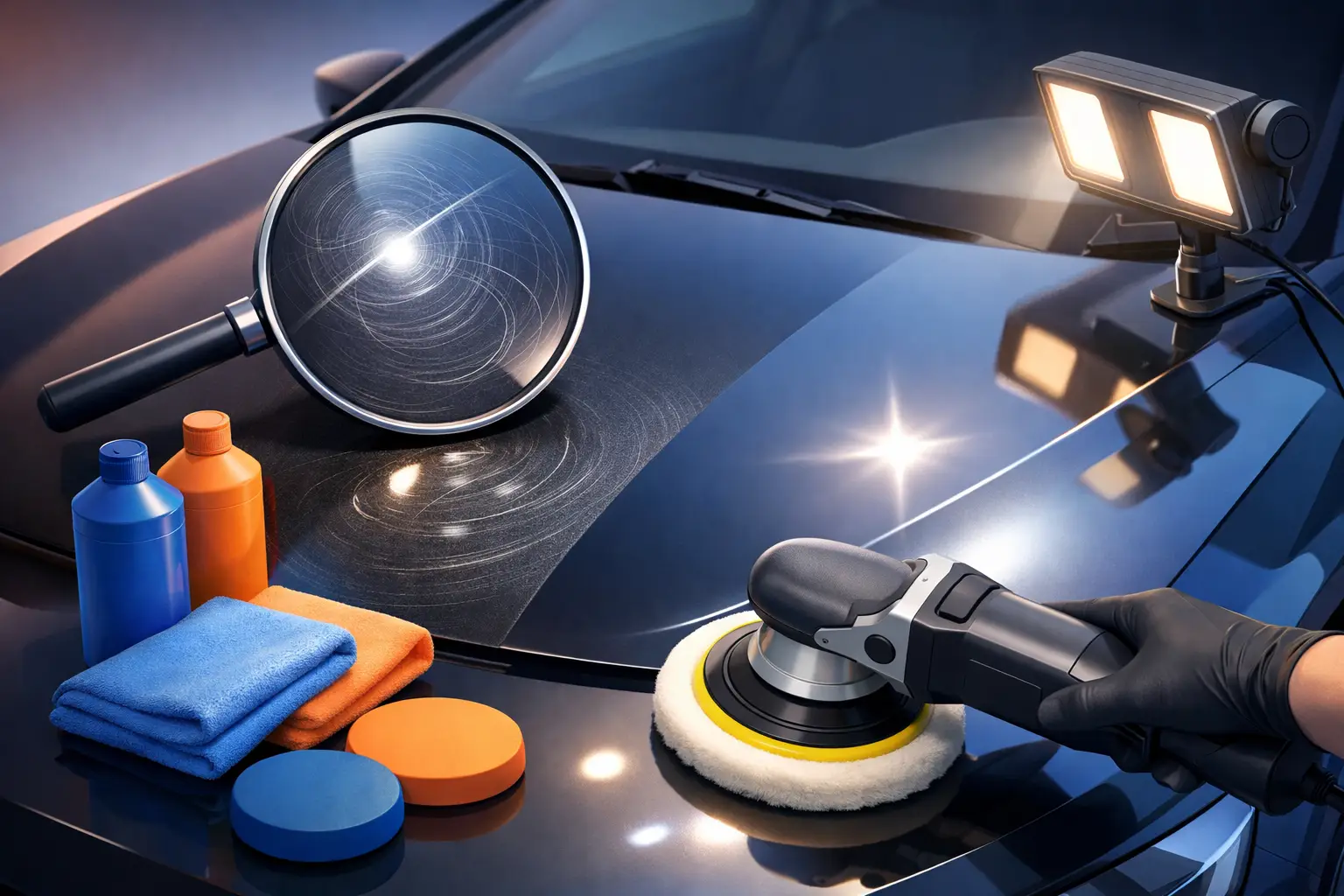
Those faint circular scratches you notice under sunlight or parking lot LEDs are not just a cosmetic annoyance. They change the way your paint reflects light, dull the finish, and make an otherwise clean vehicle look older than it is. Swirl mark removal is the process of correcting those defects safely, not hiding them for a few days with fillers or temporary shine.
For many vehicle owners, the frustration is the same. The car gets washed regularly, maybe even waxed, yet the paint still looks hazy, especially on dark colors. That usually means the issue is not dirt. It is damage in the upper layer of the finish, often caused by routine washing and drying methods that seem harmless until they add up.
What swirl marks actually are
Swirl marks are fine surface scratches in the clear coat. Modern automotive paint is usually made up of layers, with the clear coat acting as the transparent top layer that gives gloss and protection. When that layer gets marred by improper contact, light scatters instead of reflecting evenly. That is why the paint loses depth and starts to look dull or spider-webbed.
Despite the name, swirl marks are not always perfect circles. They often appear circular because they become most visible when the light source is direct and the defects are spread across the panel in different directions. Under garage lighting, dealership spotlights, or bright sun, they become obvious very quickly.
Why swirl mark removal matters
Paint condition affects more than appearance. A vehicle with clear, glossy paint looks better cared for, holds stronger visual appeal, and typically presents better at trade-in or resale. If you drive a newer vehicle, luxury model, or anything you simply take pride in, paint correction is part of preserving that investment.
There is also a practical side. Once swirl marks become widespread, owners often try to compensate with more waxes, spray detailers, or quick-fix products. That can create a cycle where the paint looks decent for a short time, then slips right back to dull and hazy. Proper correction addresses the source of the problem instead of chasing it with temporary shine.
What causes swirl marks in the first place
Most swirl marks are created during washing and drying. Dirt acts like abrasive material, and once it gets trapped in a mitt, brush, towel, or sponge, it gets dragged across the surface. Automatic car washes are a common culprit, especially brush-style systems. They may be convenient, but convenience and paint safety do not always go together.
At-home washing can cause the same issue if the process is rushed or the tools are low quality. Using one bucket, reusing dirty towels, drying with the wrong fabric, or wiping dust off a dry panel can all create marring. Even dealership washes and quick prep work can leave defects behind.
Seasonal conditions in New England do not help. Road salt, sand, winter grime, and spring pollen build up quickly. If that contamination is not removed carefully, the wash process becomes more abrasive. The result is often a finish that looks progressively worse even when the owner feels like they are doing the right thing.
How swirl mark removal works
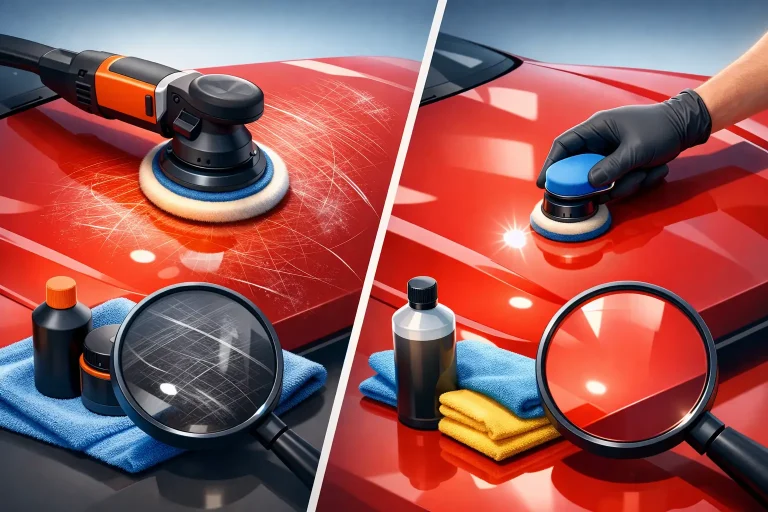
True swirl mark removal is a paint correction process. That means carefully leveling a small amount of the clear coat to remove or reduce the visible defects. This is done with machine polishing, the right pad and polish combination, and a method tailored to the paint system on that specific vehicle.
The process starts with proper cleaning and decontamination. If the paint still has embedded grit, iron particles, or other contamination on the surface, polishing can do more harm than good. Once the vehicle is thoroughly prepped, the paint is inspected under proper lighting to identify the level of correction needed.
From there, a test spot is usually the smartest approach. Not every vehicle needs an aggressive multi-step correction. Some paints respond well to a one-step polish that removes light to moderate defects while restoring gloss. Others need a more involved process to address deeper swirls, oxidation, or years of improper washing.
This is where experience matters. Paint correction is not about using the strongest compound possible. It is about achieving the best result while preserving as much clear coat as possible.
Swirl mark removal is not the same as hiding defects
A lot of over-the-counter products make paint look better for a week or two because they contain fillers, gloss enhancers, or oils that temporarily mask defects. There is nothing wrong with wanting a quick improvement, but it helps to know what you are getting.
If the swirls disappear after application and reappear after a few washes, they were likely concealed rather than corrected. Professional polishing aims for a result that remains after the polishing residue is removed and the paint is properly inspected. That is a big difference in both appearance and long-term value.
When a DIY approach makes sense
If your vehicle has very light wash marring and you are comfortable learning proper technique, a basic machine polishing setup can improve the finish. The key is restraint. Work on clean paint, start with the least aggressive method, and understand that every correction removes a small amount of material.
DIY can make sense for enthusiasts who enjoy the process and are willing to invest in quality tools, lighting, towels, and technique. It is less ideal if you are working in poor lighting, using unknown products, or trying to rush through the job in a driveway on a hot afternoon. Paint correction rewards patience and punishes shortcuts.
When professional swirl mark removal is the better choice
If the vehicle is dark-colored, newer, premium, or simply important to you, professional correction often saves time and avoids costly mistakes. The same goes for vehicles with heavier defects, noticeable haze, previous polishing damage, or areas that have been repainted.
A professional detailer should understand paint thickness, pad and polish combinations, defect identification, and finish refinement. More importantly, they should know when not to chase a defect too aggressively. Some deeper scratches can be improved significantly but not removed completely without compromising paint safety. Honest guidance matters here.
For busy owners, there is also the convenience factor. A proper correction takes time. Between washing, decontamination, masking, machine polishing, panel wipe-downs, and final protection, this is not a quick errand. Working with a trusted professional means the vehicle gets the attention it needs without guesswork.
What to expect after swirl mark removal
The biggest difference is clarity. Metallic paint looks sharper, dark colors gain depth, and reflections become cleaner and more consistent. Even lighter colors benefit because the finish looks brighter and more polished rather than flat.
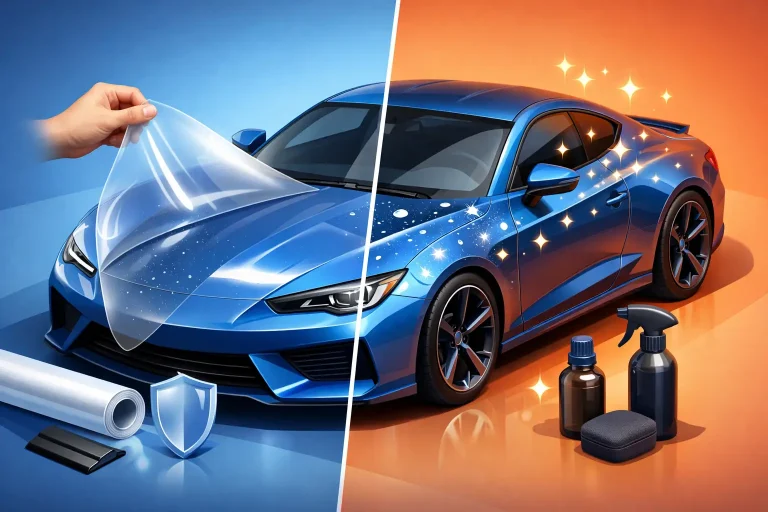
Once corrected, the paint should also be easier to maintain if it is protected properly. That may include a sealant or ceramic coating, depending on the owner’s goals and budget. Protection does not make the paint invincible, but it does help reduce contamination buildup and makes maintenance washes safer and more effective.
It is worth being realistic, though. Swirl mark removal is not permanent if poor wash habits continue. Correcting the paint is one part of the solution. Keeping it that way requires a better maintenance plan.
How to keep swirl marks from coming back
The safest paint is paint that is touched less often and more carefully. That starts with proper washing tools and a method designed to reduce friction. Clean microfiber towels, quality wash media, separate tools for lower dirty areas, and careful drying all make a difference.
Just as important is avoiding unnecessary contact. Dry dusting, wiping grime off with detail spray when the car is heavily soiled, and running through brush washes are some of the fastest ways to undo correction work. Maintenance should be gentle, consistent, and intentional.
For owners who want the vehicle to stay in top shape without having to manage every detail themselves, a professional maintenance schedule is often the smartest move. That is especially true for vehicles that see year-round driving, harsh weather, or frequent highway miles.
Choosing a swirl mark removal service
Not every detailing service approaches paint correction with the same standards. Look for clear explanations, realistic expectations, proper lighting and inspection methods, and a willingness to tailor the service to the condition of the vehicle. Credentials, insurance, and proven experience matter because the work is technical and the results should be measurable.
A premium service should also be transparent about what level of correction is achievable. Some vehicles need enhancement. Others need extensive refinement. The right provider will explain the difference, protect your time, and treat the vehicle with the care you would expect from someone trusted to preserve its appearance.
At its best, swirl mark removal is not about chasing perfection under every light at every angle. It is about restoring the finish so your vehicle looks clean, sharp, and properly cared for every time you walk up to it. If the paint has lost that crisp, reflective look, the right correction work can bring it back and make keeping it that way much easier.