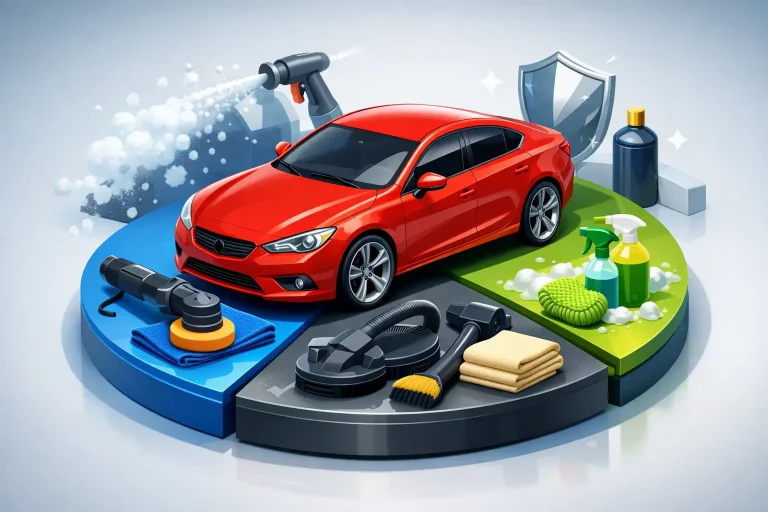
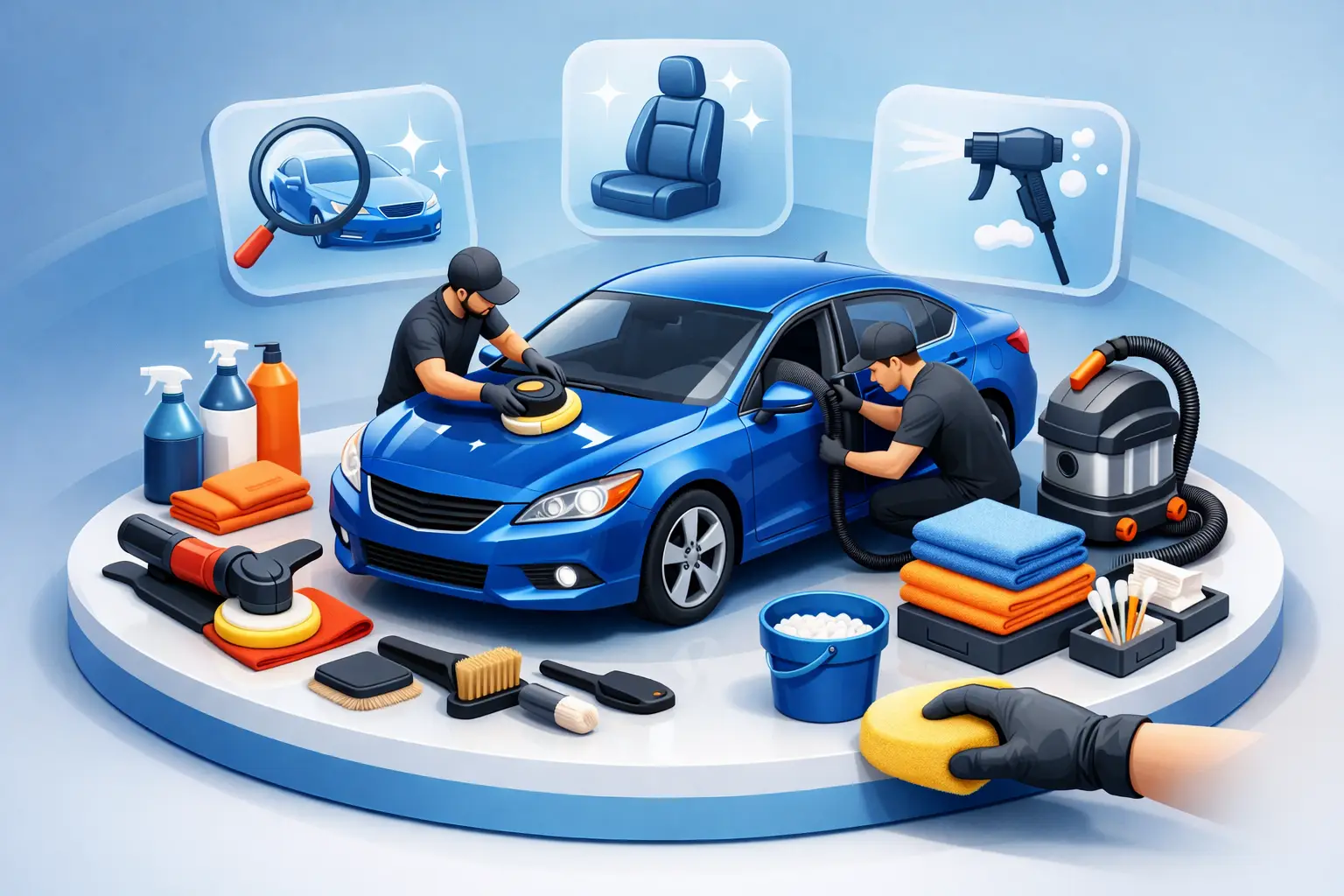
If you have ever booked a detail and wondered why one service takes two hours while another takes most of the day, the answer usually comes down to scope. When people ask what is included in detailing, they are really asking how far the service goes beyond a basic car wash. A true detail is a careful cleaning and reconditioning process designed to improve how your vehicle looks, feels, and holds up over time.
That matters because not all detailing is built the same. Some services focus on maintenance for a well-kept daily driver. Others are designed to correct neglected interiors, restore gloss, remove embedded contamination, or prepare surfaces for long-term protection. The right detail depends on the condition of the vehicle, your expectations, and how you use it.
What is included in detailing for the exterior?
Exterior detailing starts with a proper wash, but it does not stop there. Professional detailers begin by removing loose dirt safely, often using methods that reduce the chance of scratching the paint. Wheels, tires, and wheel wells are usually cleaned first because they hold some of the heaviest grime, including brake dust, road salt, and old tire dressing.
From there, the paintwork is washed by hand with pH-appropriate products and quality wash media. This is where the difference between a quick clean and a detail becomes obvious. A professional is not just trying to make the car look better for a day. The goal is to clean the surface thoroughly without adding marring or swirl marks in the process.
Once the vehicle is washed, many exterior details include chemical and mechanical decontamination. That means removing bonded contaminants such as iron fallout, tree sap, road film, and other debris that regular washing leaves behind. If the paint feels rough after a normal wash, contamination is usually the reason. Decontamination creates a smoother finish and helps any wax, sealant, or coating bond better.
Drying is also part of the service, and good drying matters more than people think. Using clean microfiber towels, forced air, or both helps prevent water spotting and reduces contact with the paint. Trim, emblems, mirrors, and tight body lines often get attention here because trapped water can drip later and leave streaks.
Most exterior detailing services also include cleaning the glass, dressing the tires, and restoring a more finished look to exterior trim. Depending on the package, the detail may include a protective layer such as wax, paint sealant, or a ceramic-based topper. That protection affects gloss, water behavior, and how easy the vehicle will be to maintain afterward.
What is included in detailing for the interior?
Interior detailing is where service quality really shows. A fast vacuum can make a cabin look passable, but a real interior detail addresses dust, spills, stains, body oils, pet hair, odor sources, and the buildup that collects in seams, vents, cup holders, door panels, and under seats.
The process usually starts with removing loose debris and thoroughly vacuuming the carpet, mats, trunk, and seating surfaces. Then the detailer cleans hard surfaces such as the dashboard, center console, door panels, and trim using products matched to the material. The goal is to remove grime without leaving surfaces greasy, shiny, or artificially slick.
Fabric seats and carpet may be shampooed or steam cleaned if needed. Leather or coated leather surfaces are cleaned more carefully and may receive a conditioner or protectant depending on the material and the service level. Interior glass is cleaned as well, including the windshield haze that tends to build up over time and become obvious in morning or evening sun.
More involved interior details often include stain treatment and odor reduction. This is where expectations matter. Fresh spills, food residue, pet accidents, smoke exposure, and long-term neglect can all require different methods. Some stains improve dramatically with one visit. Others lighten but do not fully disappear because the material has already been permanently affected. A trustworthy detailer will explain that up front instead of promising an unrealistic result.
Detailing is more than cleaning
One of the biggest misconceptions about car detailing is that it is just a very thorough wash and vacuum. Cleaning is the foundation, but professional detailing also includes inspection, material-specific care, and surface preservation.
For example, paint may look clean but still appear dull because it is covered in micro-marring, oxidation, or water spot etching. Interior plastics may be dust-free but still drying out from sun exposure. Leather may feel clean but carry oils and residue that slowly wear down the finish. Detailing addresses those issues with the right process, not just more product.
That is why package names alone can be misleading. Two companies may both offer a full detail, but one may include only wash, vacuum, and wipe-down while another includes decontamination, deep interior cleaning, stain treatment, and durable protection. If you want to know what is included in detailing, the best question is not what the package is called. It is what specific steps are being performed.
When paint correction or polishing is part of the service
Not every detail includes polishing, but many customers expect it because they want the paint to look glossier and clearer. Polishing is a separate step that removes or reduces paint defects such as swirl marks, light scratches, haze, and oxidation. It can make a major visual difference, especially on dark-colored vehicles.
This is also where service level matters. A one-step polish is typically designed to improve gloss and remove a portion of visible defects. Multi-step correction is more intensive and aims for a higher level of refinement, but it takes more time and costs more. There is always a trade-off between perfection, paint preservation, budget, and how the vehicle is used.
A responsible detailer will not recommend aggressive correction on every vehicle. If your car is a daily driver that sees highway miles, kids, winter weather, and regular use, chasing every minor defect may not be the smartest investment. In many cases, a solid improvement paired with protection delivers the best long-term value.
Protection is often part of a professional detail
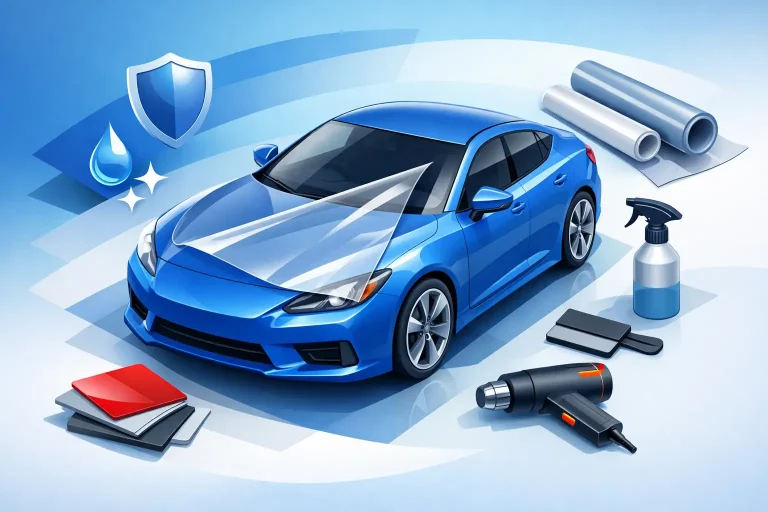
After cleaning and any polishing work, many detailing services apply protection. That can range from a traditional wax to a synthetic sealant or a ceramic coating, depending on the package and your goals. Protection helps shield surfaces from UV exposure, moisture, road grime, and everyday contamination. It also makes routine maintenance easier.
The same logic applies inside the vehicle. Interior fabrics, leather, vinyl, and trim can be treated with products that help resist stains, fading, and premature wear. This is especially useful for family vehicles, work trucks, and cars that spend a lot of time parked outside.
Protection is not magic, and it does not eliminate maintenance. Even premium protection still needs proper washing and periodic upkeep. But it does give the vehicle a better starting point and helps preserve the results of the detail longer.
What can change from one detail to the next?
The condition of the vehicle changes everything. A lightly used luxury sedan that gets regular maintenance needs a very different process than a family SUV with winter salt, pet hair, snack crumbs, and ground-in carpet stains. The second vehicle will take more labor, more specialized tools, and more time.
Season also matters in New England. Salt, sand, moisture, and temperature swings can increase buildup on paint, wheels, carpets, and door jambs. That means a spring reset detail may focus heavily on decontamination and interior recovery, while a pre-winter service may focus more on protection.
Service model can change the experience too. Mobile detailing adds convenience, but certain correction or coating services may be better suited to a controlled shop environment. The right provider will explain what can be done well on-site and what benefits from indoor conditions.
How to know you are getting real value
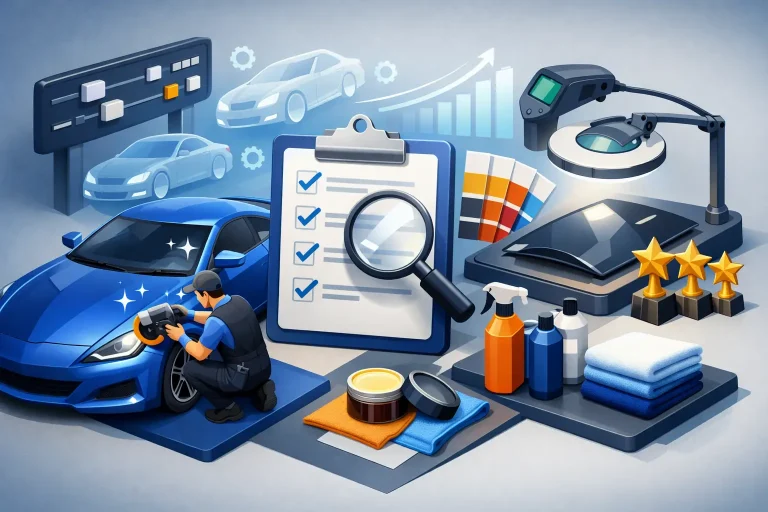
The best detailing service is not the one with the longest menu. It is the one that is clear about process, realistic about results, and matched to your vehicle’s condition. Look for detailers who explain what is included, how long it will take, and where there may be limits based on wear, staining, or paint condition.
Professional standards matter here. A certified, insured detailer should be able to tell you why they use a certain wash method, when a stain may be permanent, or why one type of protection makes more sense than another. That level of clarity saves customers from paying for the wrong service or expecting a result no one can deliver.
At SPS Auto Detailing, that customer-first approach is part of the service. Whether the goal is a clean, comfortable daily driver or a higher-end finish with correction and protection, the process should feel straightforward and worth the investment.
If you are comparing options, think less about package names and more about outcomes. A good detail should leave your vehicle cleaner, easier to maintain, and better protected than it was before – and you should know exactly what was done to get it there.